
Home » Posts tagged 'Central Anatolian steppe'
Tag Archives: Central Anatolian steppe
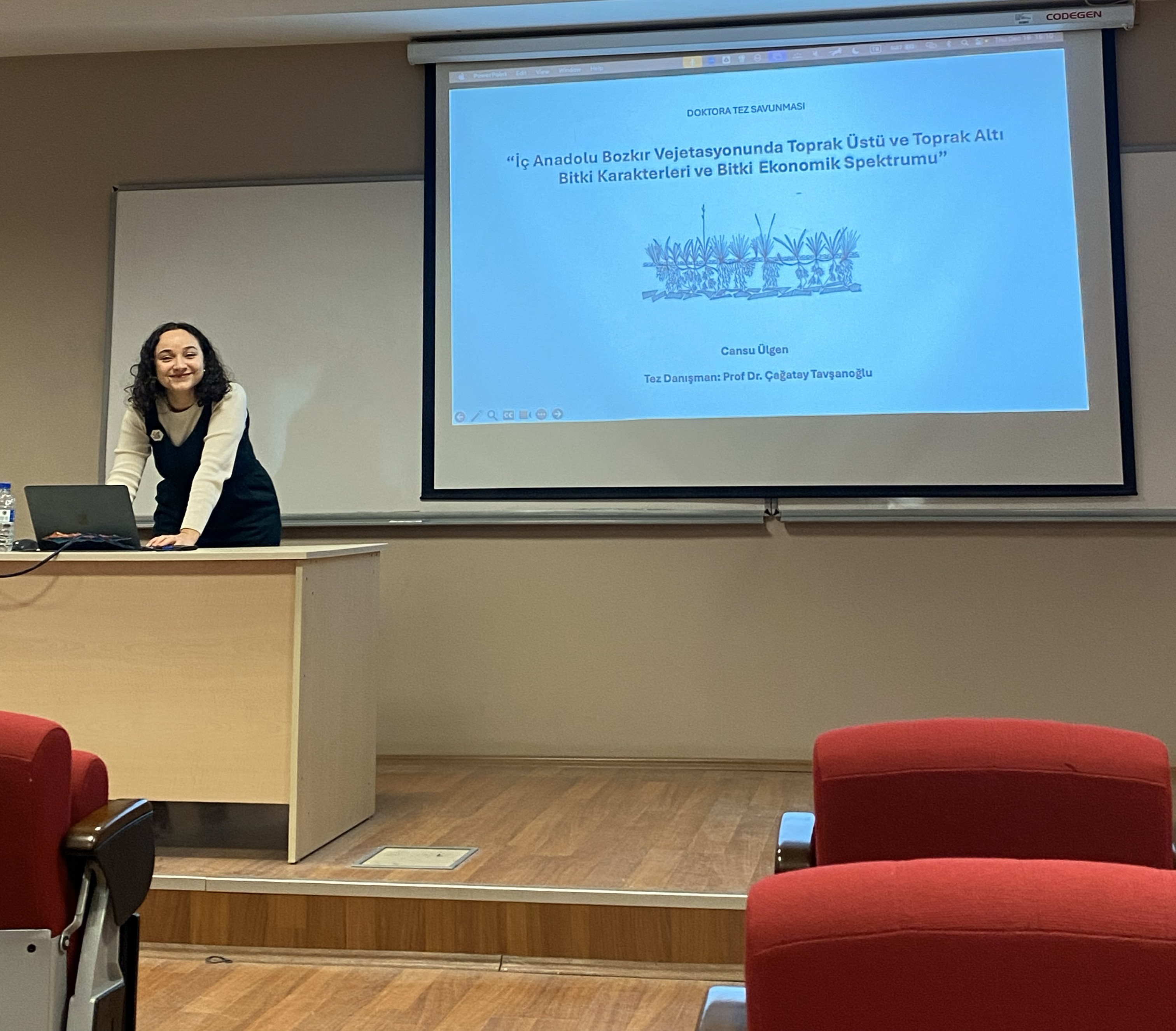
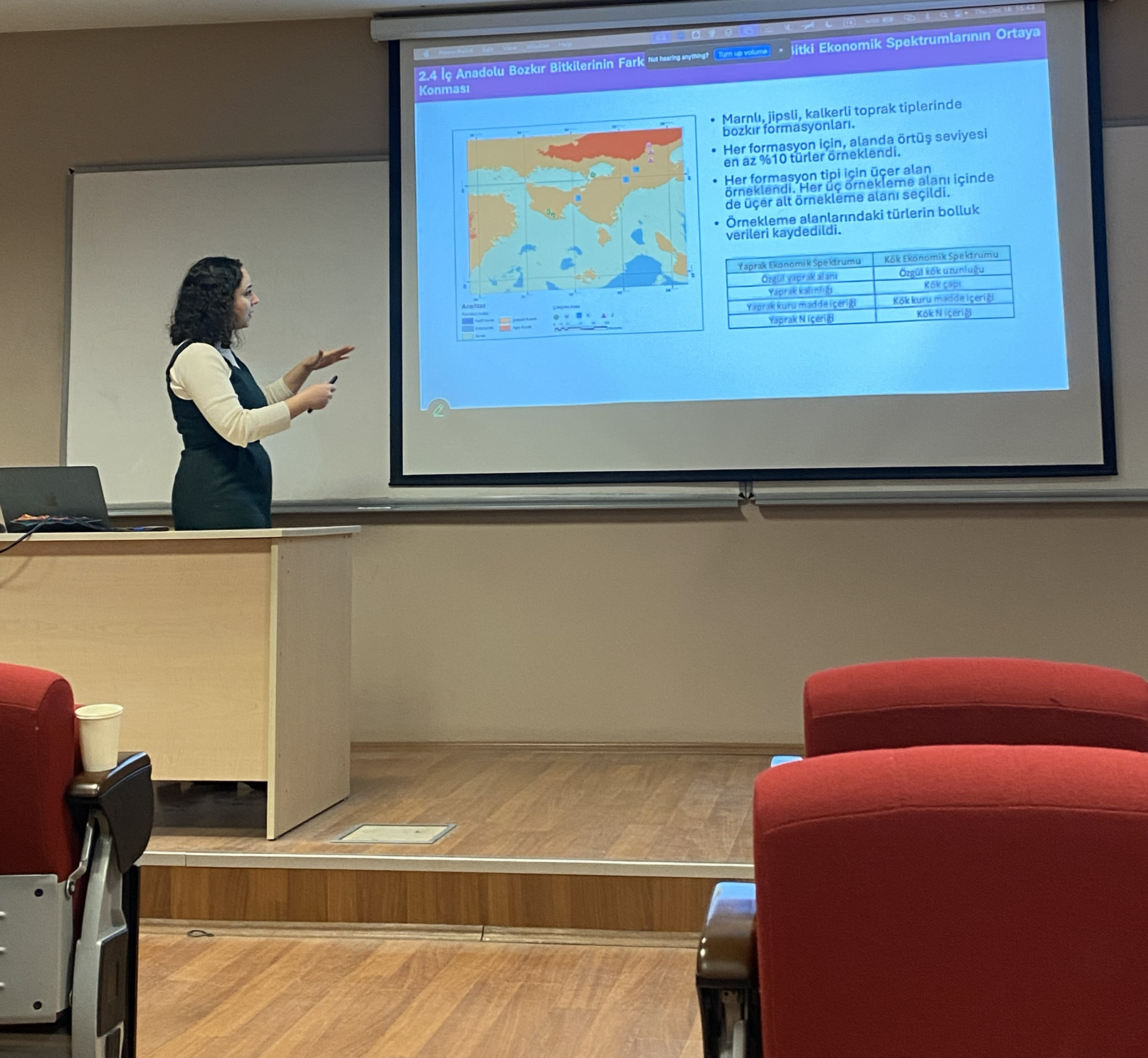
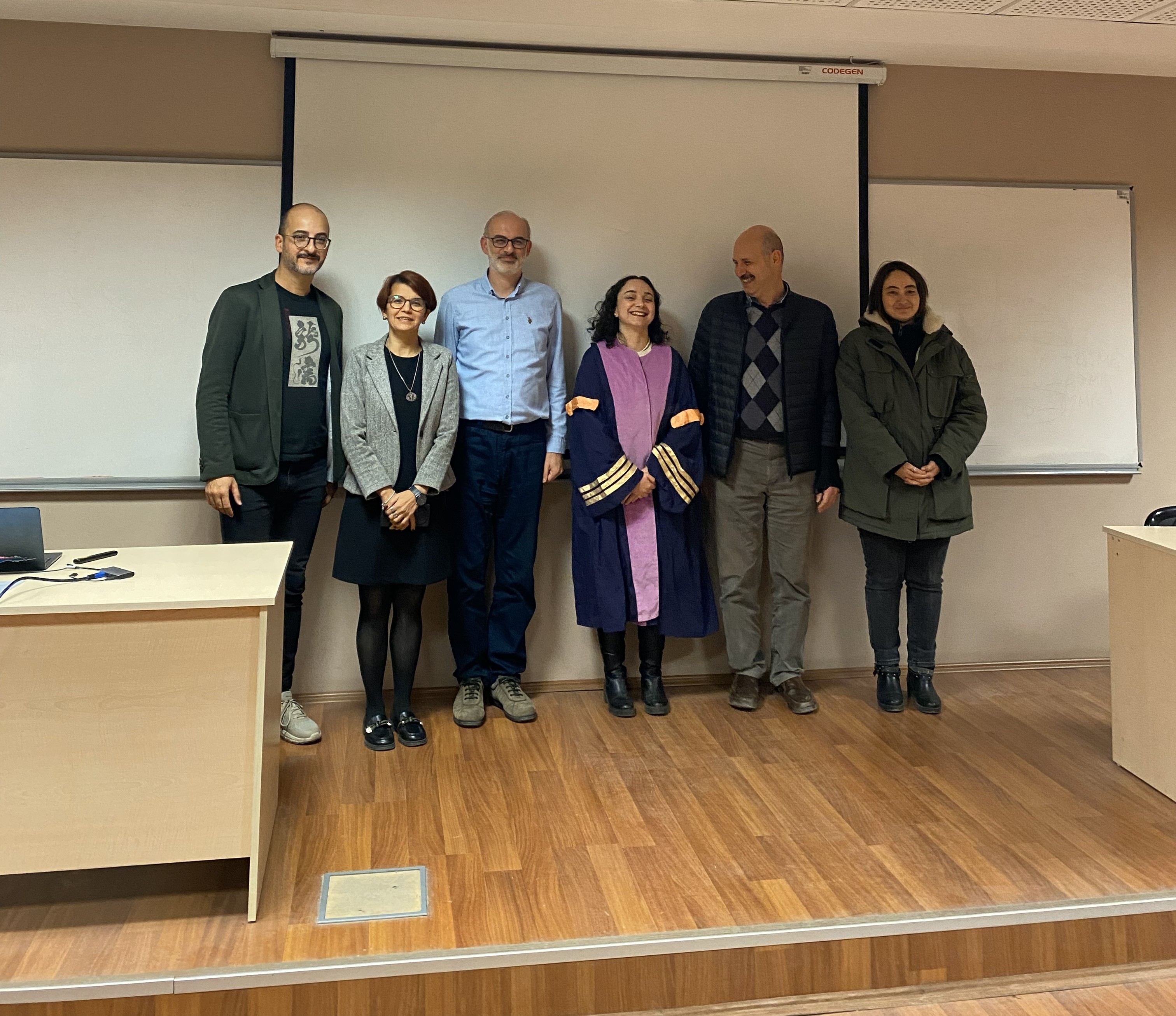
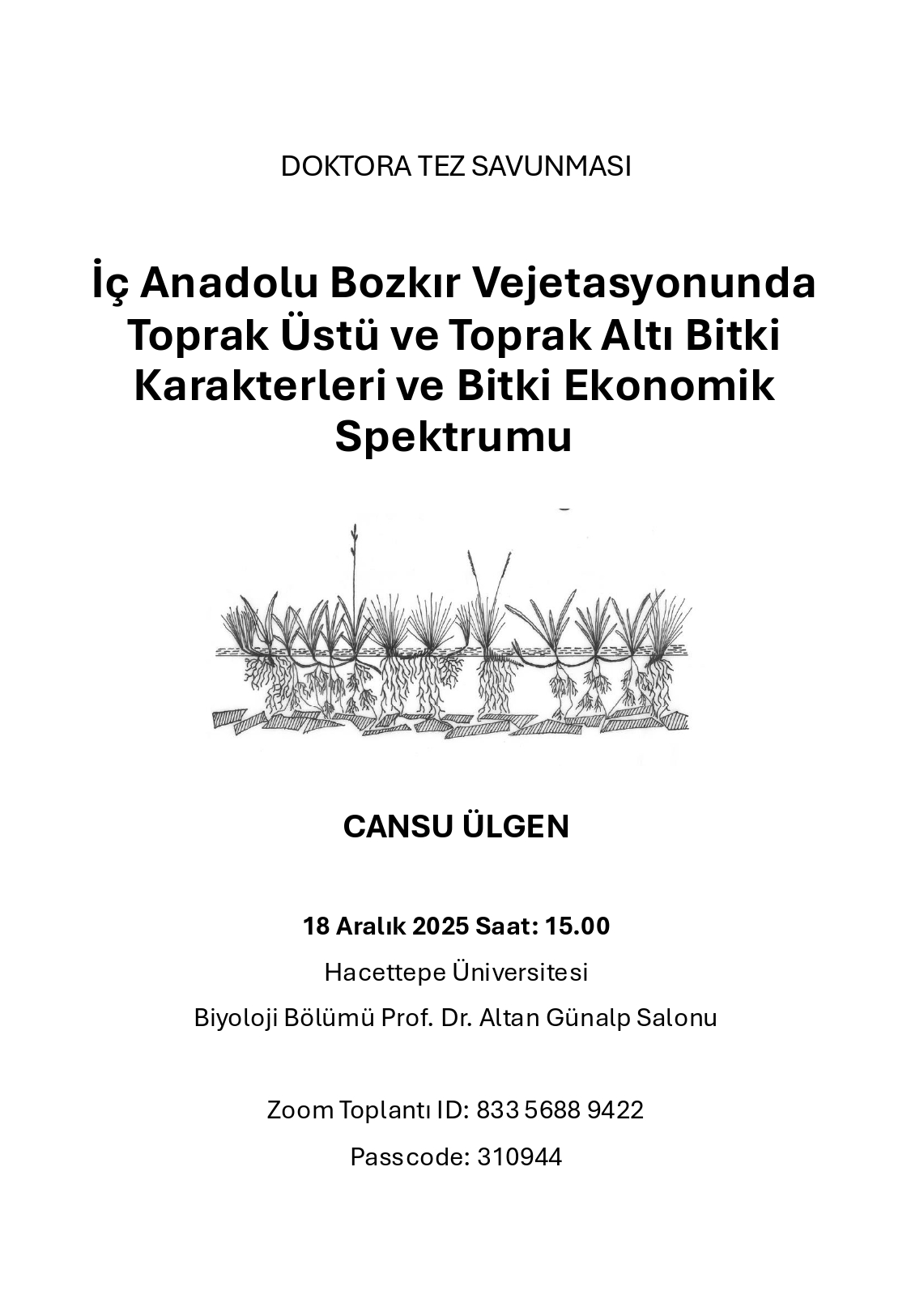
Cansu successfully defended her Ph.D. thesis
Our researcher, Cansu Ülgen, successfully defended her PhD thesis entitled “Aboveground and Belowground Plant Traits and the Plant Economic Spectrum in Central Anatolian Steppe Vegetation” on December 18, 2025.
We congratulate her on this important academic milestone and wish her continued success in her future endeavors.
We congratulate her and wish her continued success in her career.
Fieldwork in the Alpine Habitats of Hasandağı
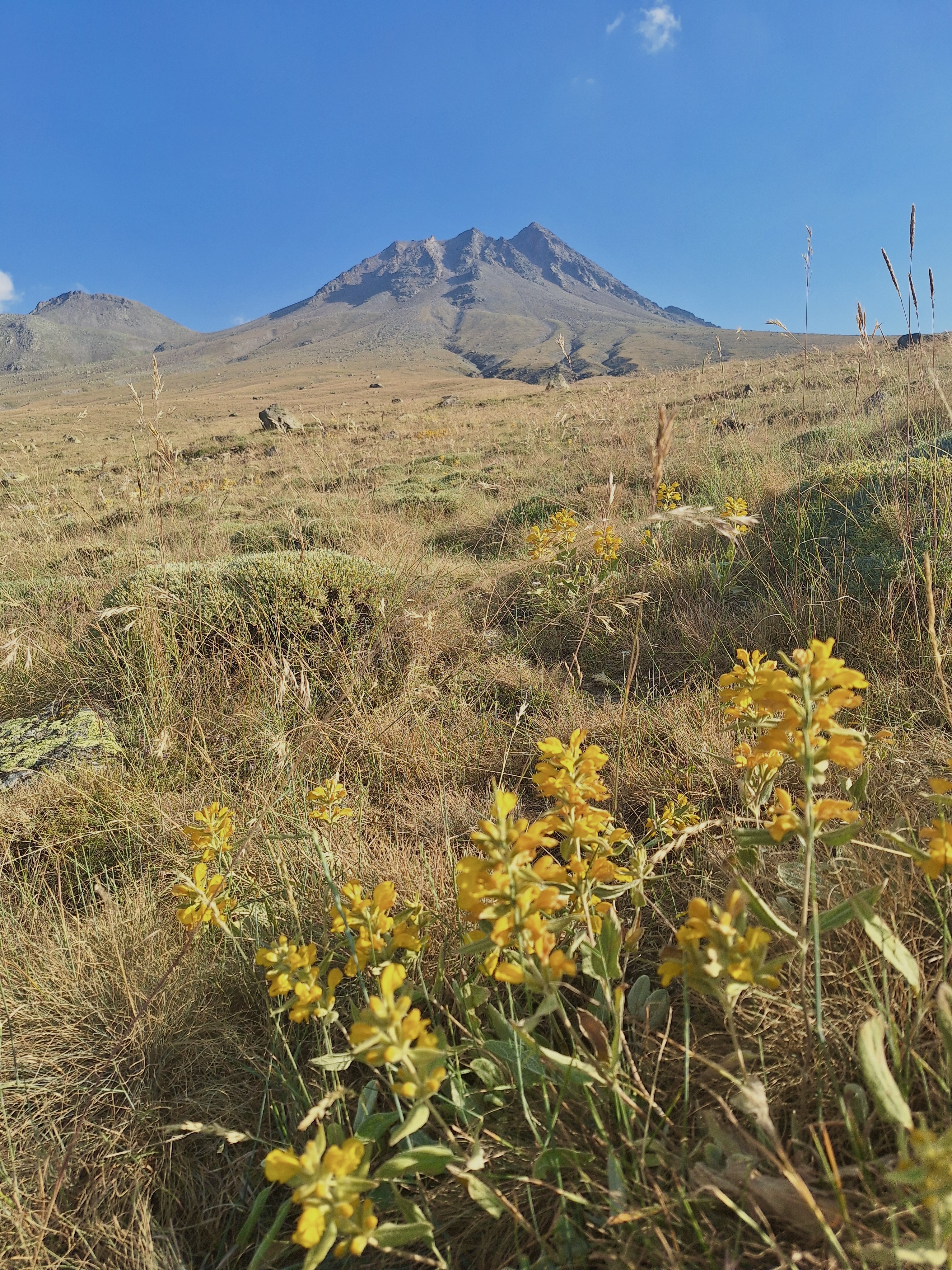
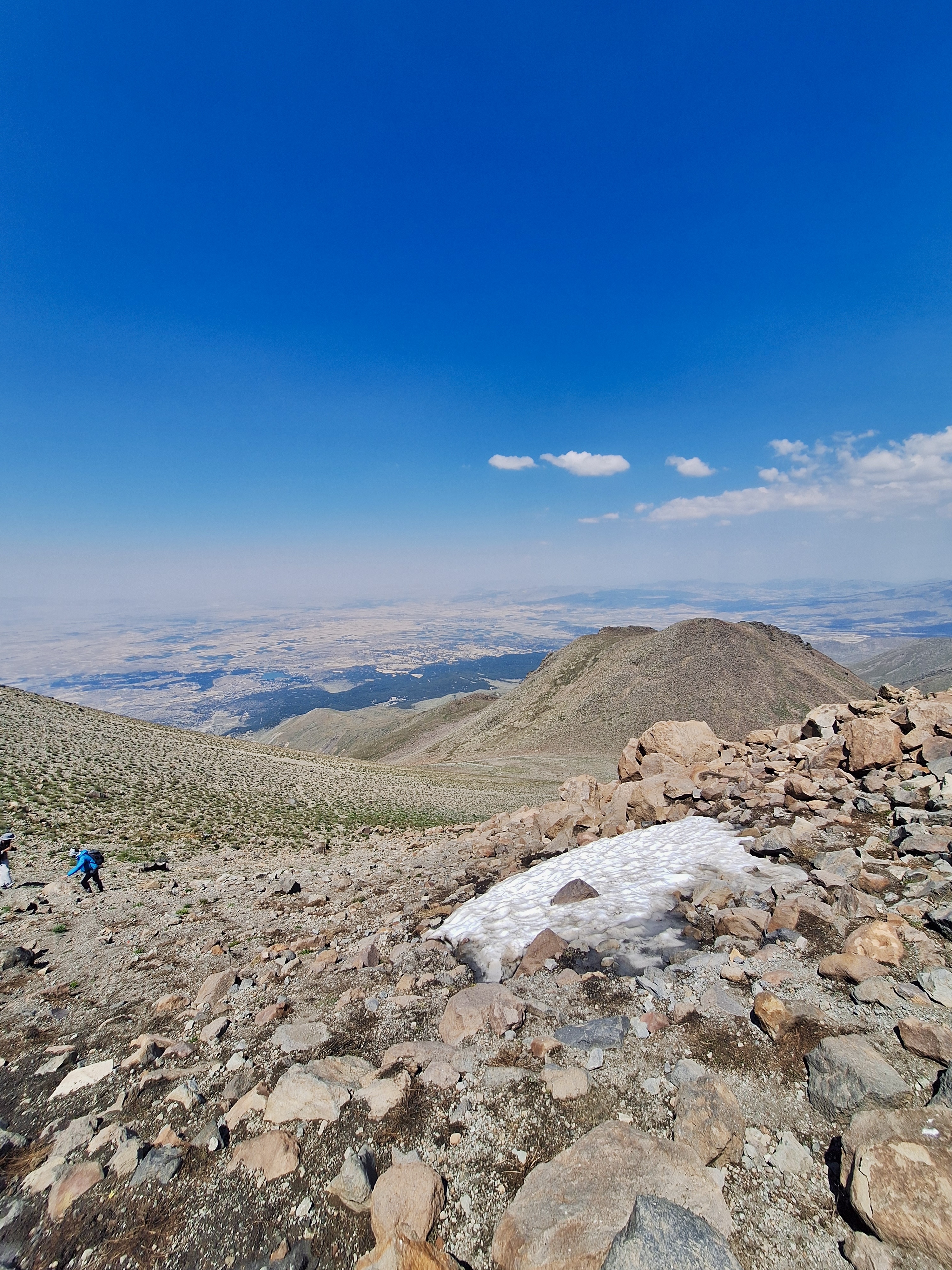
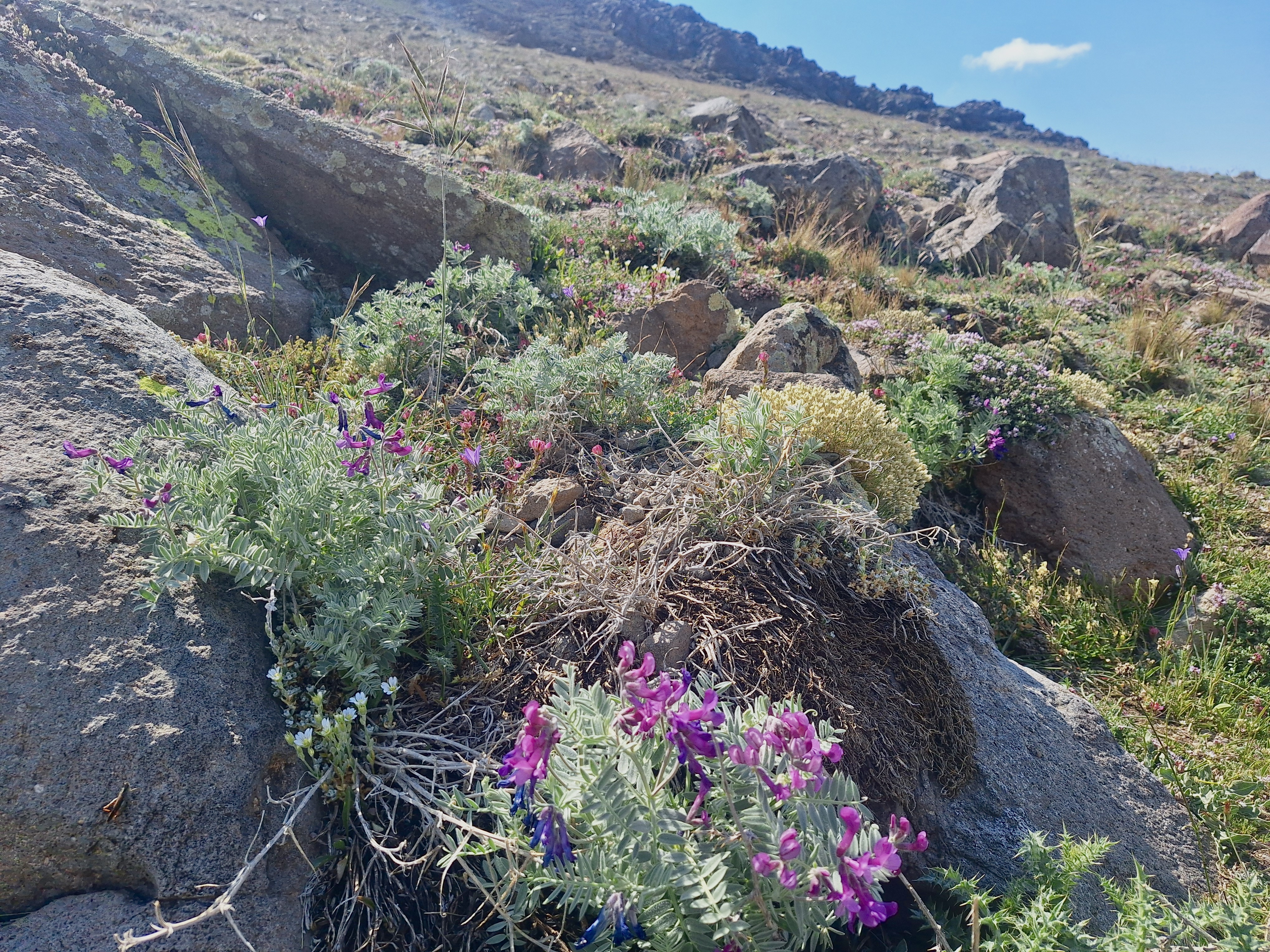
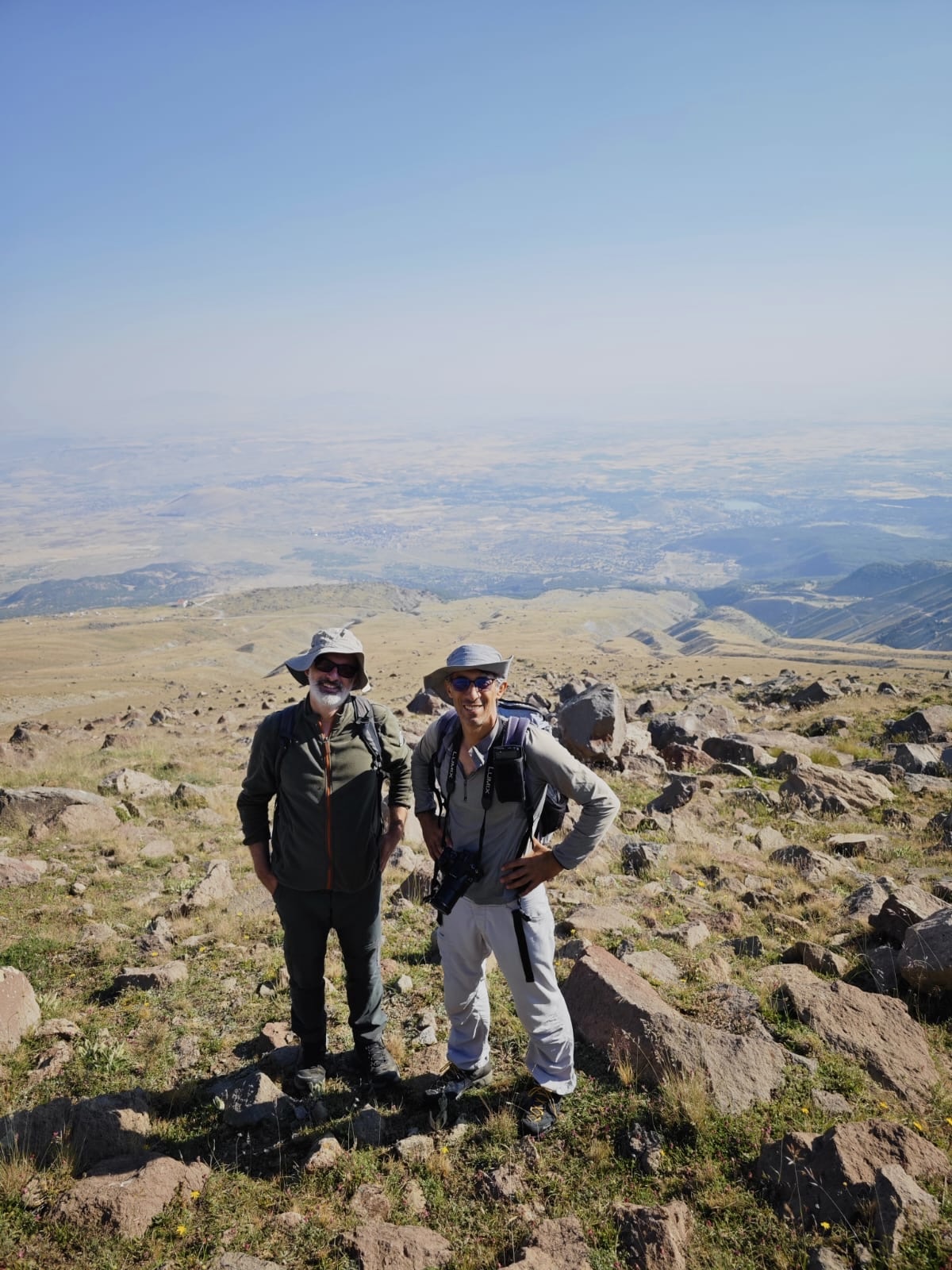
Our Principal Investigator, Prof. Dr. Çağatay Tavşanoğlu, conducted fieldwork in the alpine zone habitats of Hasandağı (~3250 m), Central Anatolia, together with Dr. Jalil Noroozi and Asst. Prof. Golshan Zare.
During this expedition, the team explored alpine plant communities and ecosystems, gaining valuable insights into species composition and ecological dynamics. We sincerely thank Dr. Noroozi and Dr. Zare for the inspiring collaboration and fruitful exchange of ideas.

Gülseli successfully defended her M.Sc. thesis
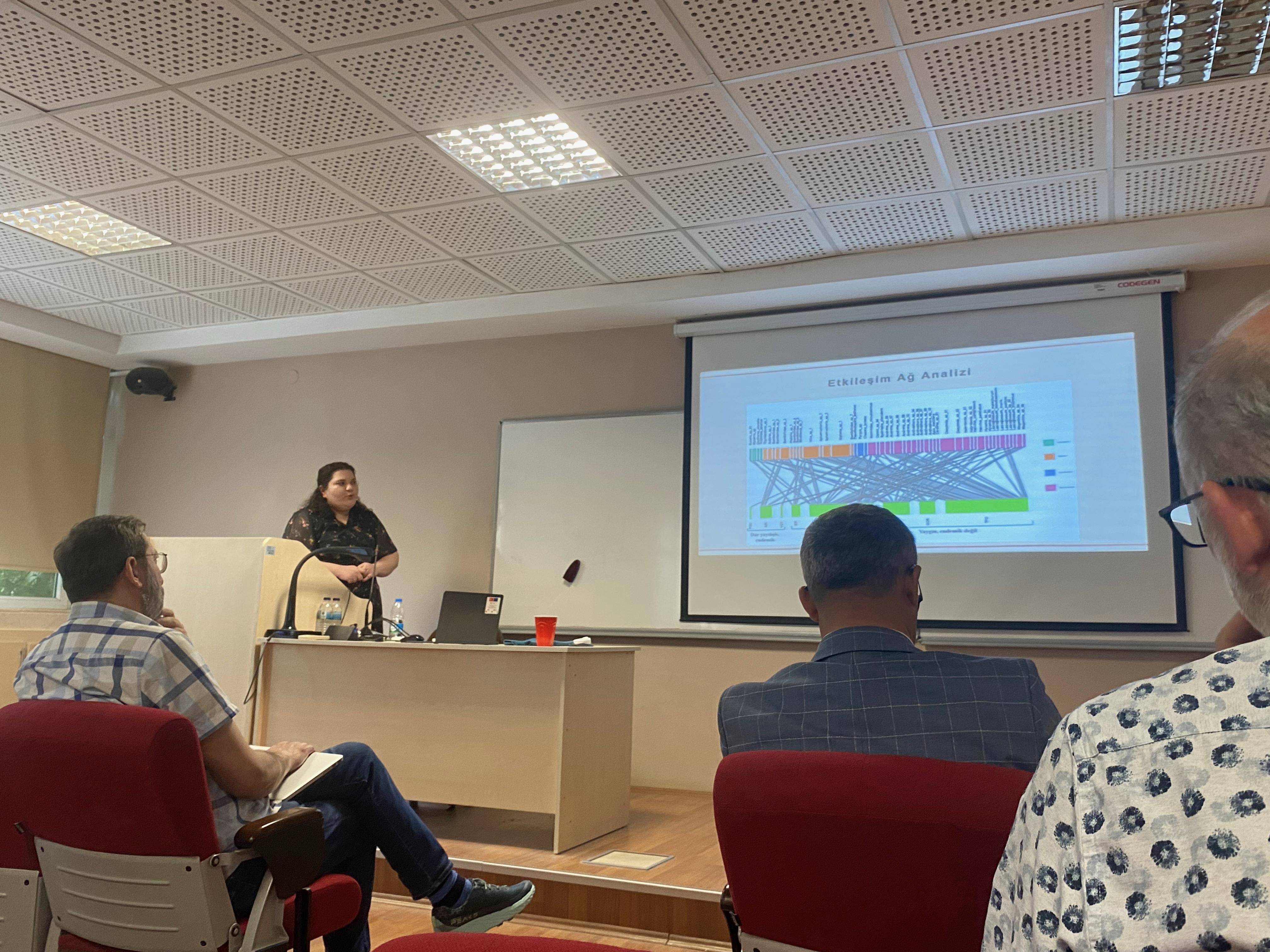
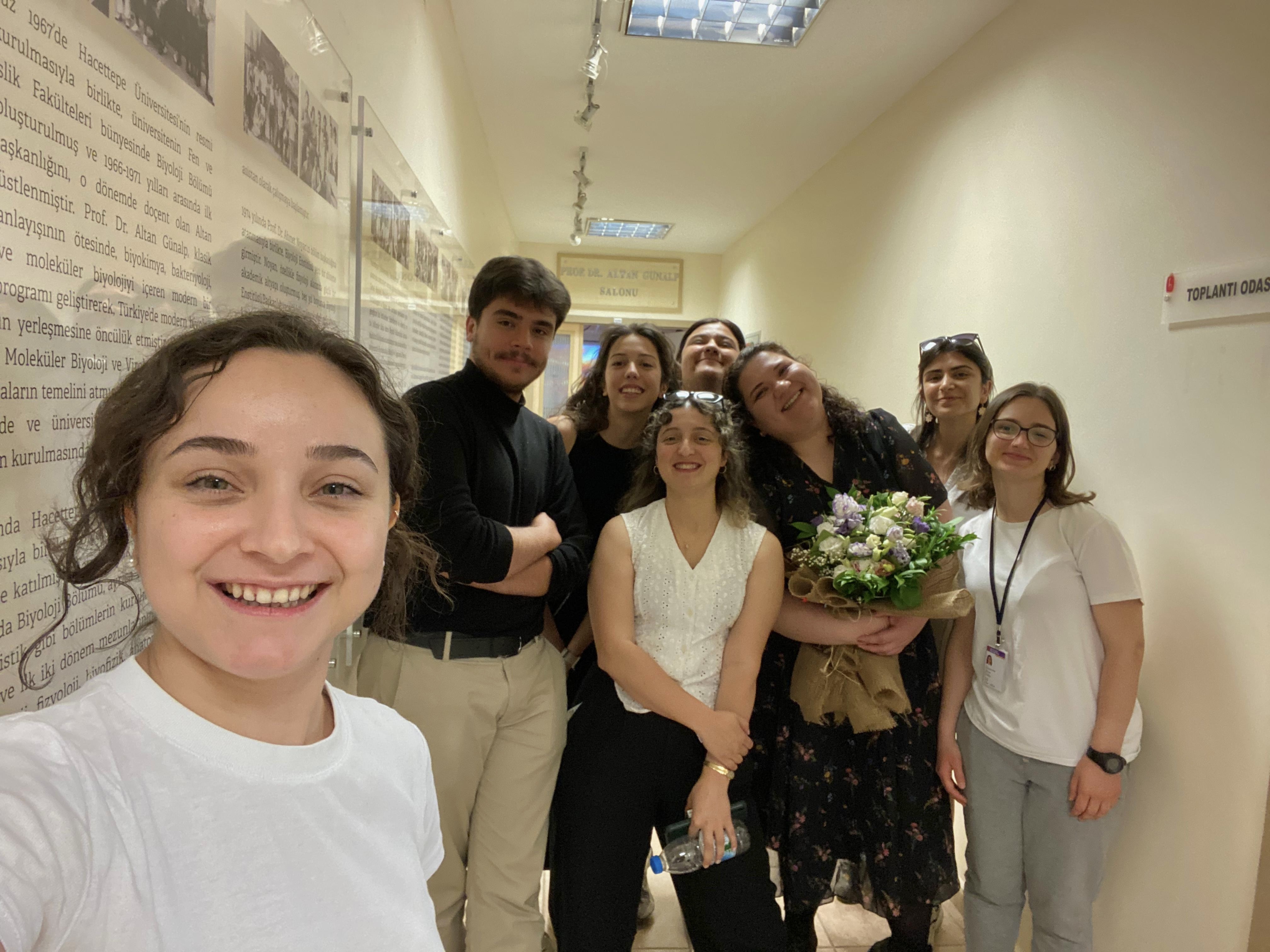
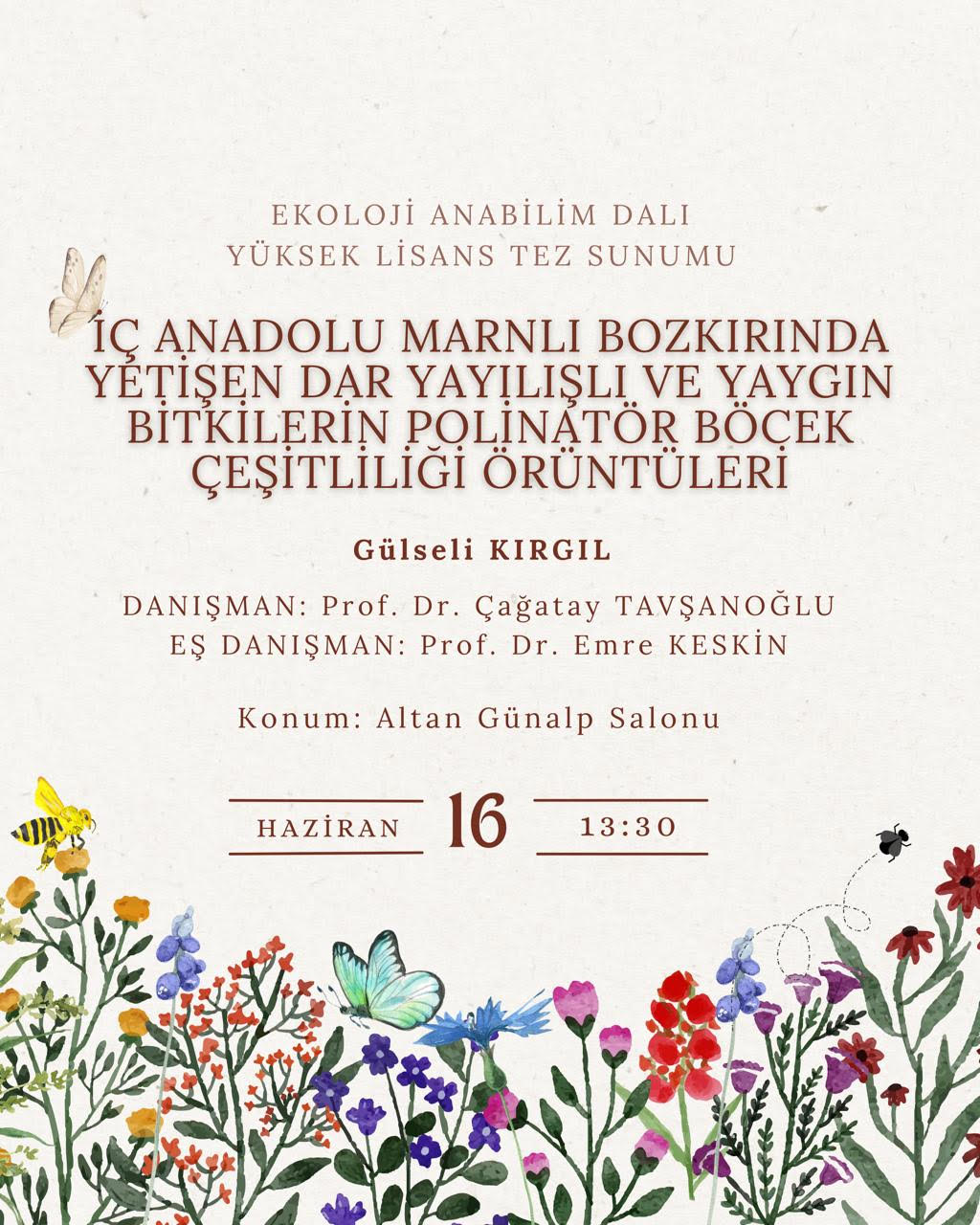
We are delighted to announce that our team member Gülseli Kırgıl successfully defended her Master’s thesis on June 16, 2025, and graduated from the program.
Her thesis, titled “Patterns of insect pollinator diversity in rare and common plants growing in a marl steppe habitat in Central Anatolia”, focused on understanding the diversity and assemblages of pollinator insects in steppe ecosystems, with a special emphasis on species of restricted and widespread distribution.
We sincerely congratulate Gülseli on this important achievement and wish her continued success in her academic journey.

Lab visit by Rafael Bernardi
Last month, our lab had the pleasure of hosting Rafael Bernardi, a researcher from Uruguay. Rafael’s visit was an exciting and enriching experience for all of us, providing numerous opportunities to discuss projects, research papers, and potential new collaborations.
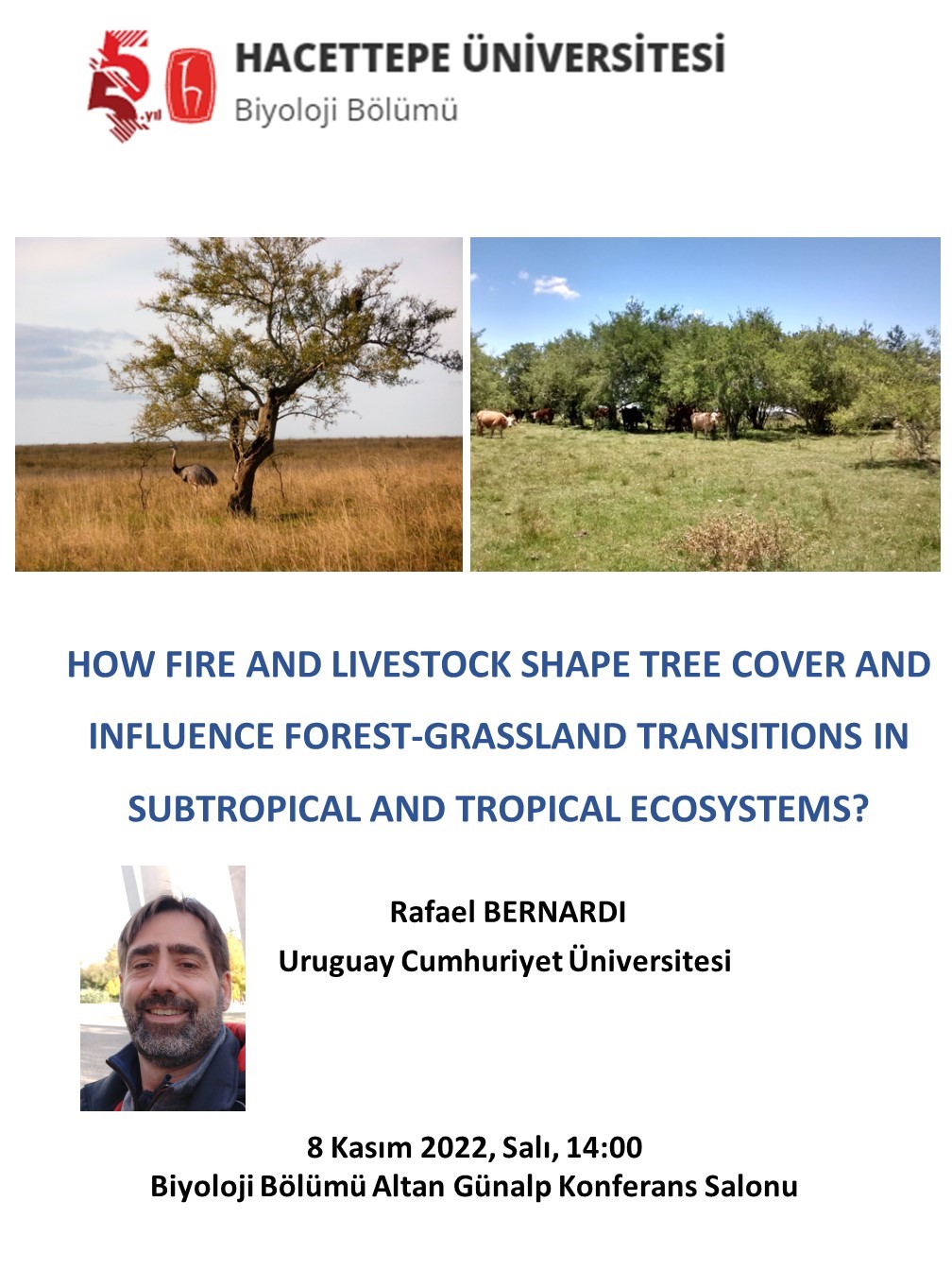
During his visit, Rafael delivered an insightful seminar on the impacts of fire and grazing on tropical forests and grasslands. This seminar, titled “How fire and livestock shape tree cover and influence forest-grassland transitions in subtropical and tropical ecosystems,” was held on November 8, 2022, at the Beytepe Campus of Hacettepe University. It attracted a significant audience and generated considerable interest.
In addition to the seminar, Rafael actively participated in our lab activities. He joined our discussions on various research topics and offered valuable feedback on our current projects. Specifically, during field trips and discussions in the laboratory meetings, we had opportunities to develop a project regarding the drivers of woody vegetation in Central Anatolia, which we have already started to work on.
We anticipate more opportunities to collaborate on new projects to enhance our understanding of the drivers of woody cover in various ecosystems.
Seed Ecology VII
Recently, the 7th edition of the Seed Ecology Conference took place in Gijón/Xixón, Asturias, Spain, from September 6 to September 9, 2022. This prestigious event gathered seed scientists worldwide to discuss the latest research and advancements in seed ecology.

During this conference, our lab PI, Çağatay, presented the first results of our TÜBİTAK project on the possible physio-ecological effects of climate change on central Anatolian steppe plants in his presentation titled “Germination patterns under climate change in the plants of the Central Anatolian steppe“. This presentation highlighted our initial findings and shed light on how temperature, drought, and salinity impact the physiology and ecology of the plant species in this unexplored ecosystem.
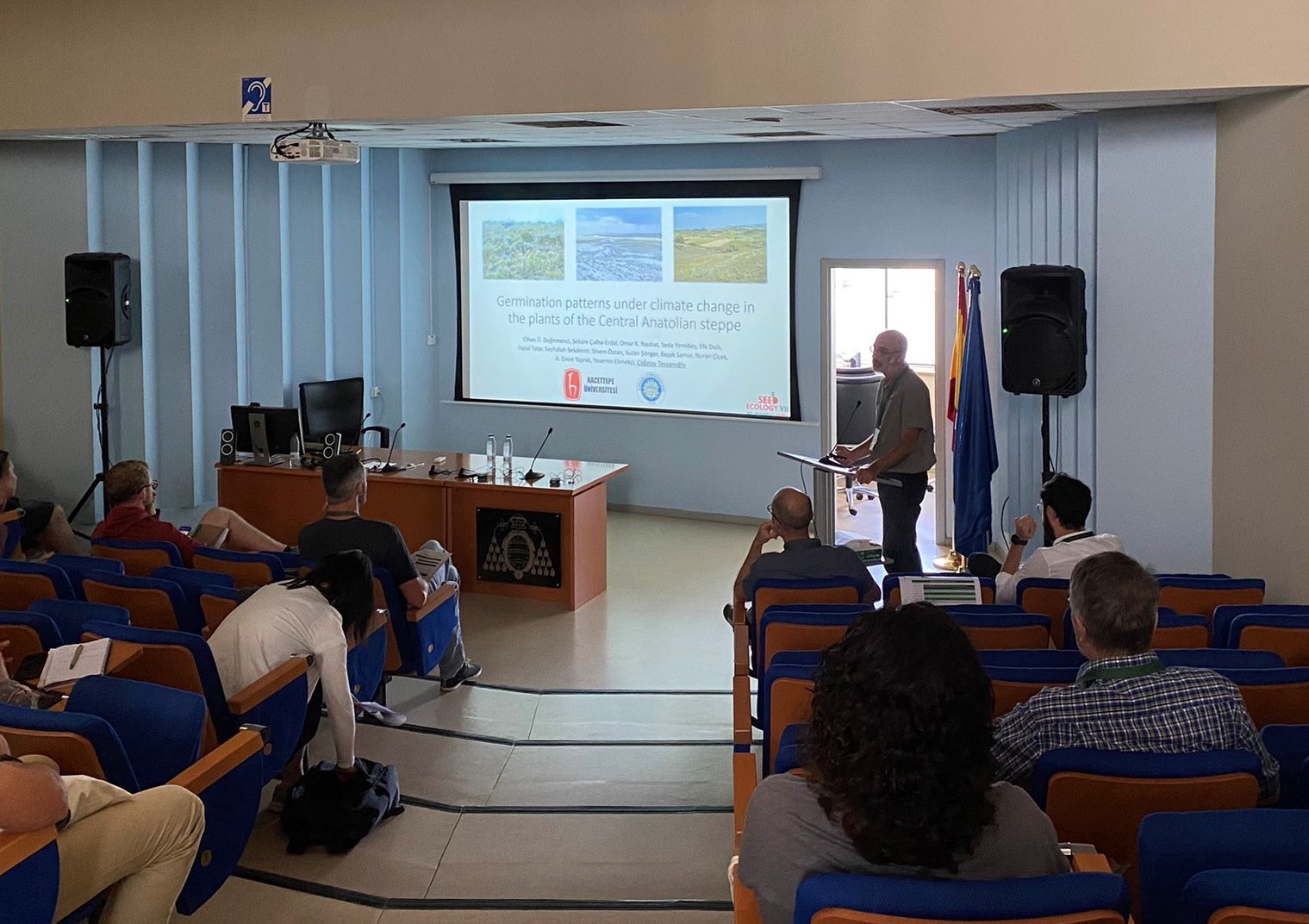
The conference proved highly productive, providing a platform for Çağatay to engage with fellow researchers and seed scientists. The exchange of ideas and insights during the event has sparked new research questions and potential avenues for future studies. Interacting with other experts in the field has opened up possibilities for collaboration on seed ecology.
We are looking forward to the next Seed Ecology conference planned to be held in Panama in 2025.
Özlem and Anıl successfully defended their M.Sc. theses
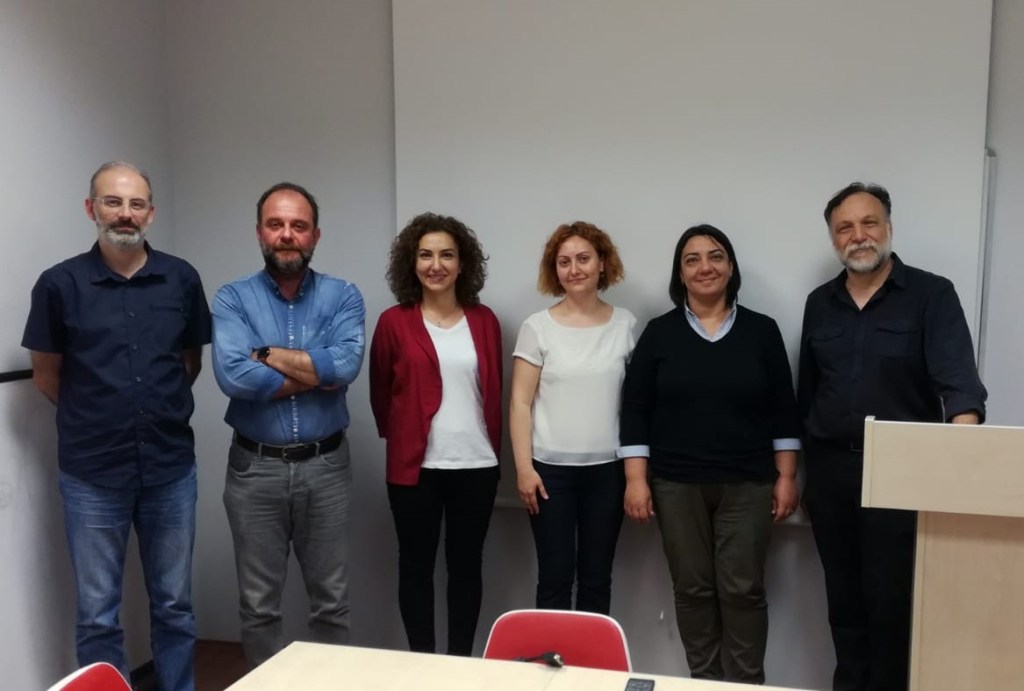
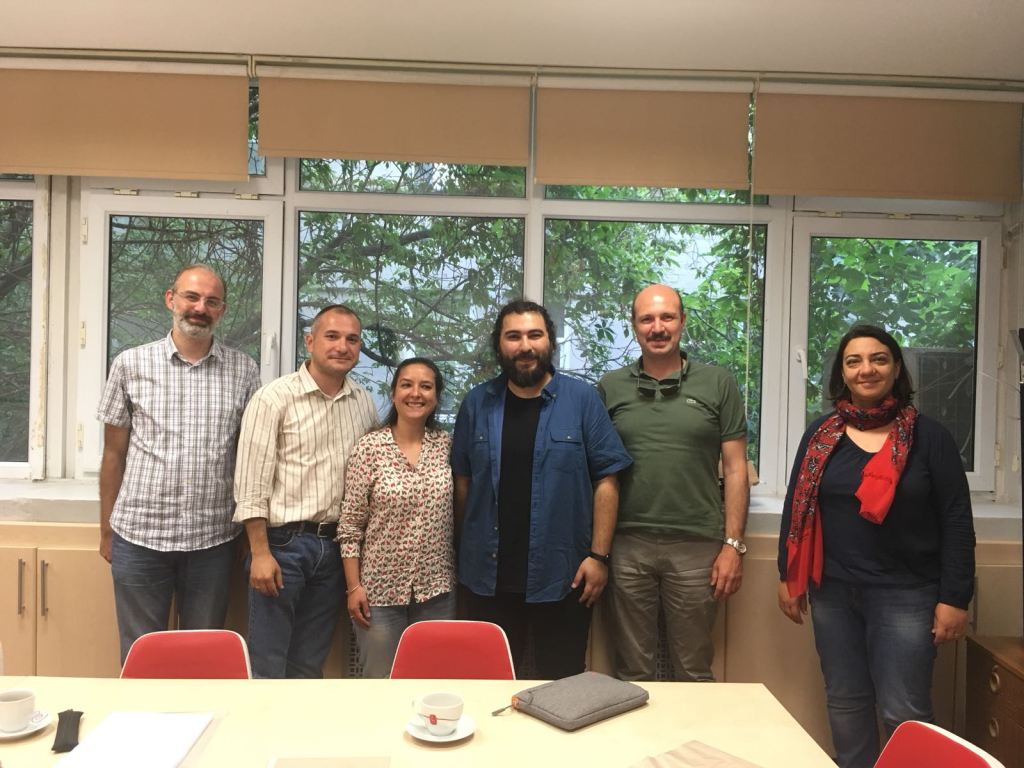
Özlem Özüdoğru and Anıl Bahar, our lab members, successfully defended their M.Sc. theses.
Özlem’s thesis is about the effects of small-scale disturbance on a plant community in the central Anatolian steppe. She worked both in the field and lab, and her results are the first ones for biodiversity-rich Anatolian steppes. She is leaving our lab after completing her M.Sc. and will continue her professional life as a biology teacher.
Anıl worked on long-term Mediterranean vegetation dynamics using a modeling approach based on plant life-history traits and disturbance properties. In his thesis, he investigated the effects of fire frequency and initial vegetation coverage on these dynamics. Anıl is planning to stay in our lab to keep working on vegetation dynamics models.
New paper: Fire-related germination and seedling growth in Central Anatolian steppe
Our paper on fire-related germination and seedling growth in Central Anatolian steppe has been published in Journal of Arid Environments: [Tavşanoğlu, Ç., Çatav, Ş.S., Özüdoğru, B. (2015) Fire-related germination and early seedling growth in 21 herbaceous species in Central Anatolian steppe. Journal of Arid Environments 122: 109-116]. In this paper, we examined the germination and early seedling growth of 21 herbaceous species in Central Anatolian steppe vegetation in relation to fire cues (heat shock and smoke).
Seeds of all studied species were able to tolerate low heat shocks but moderate and high heat shocks had a negative impact on germination and seedling growth. In Stachys byzantina (Lamiaceae), germination was stimulated by the smoke treatment. Smoke and low heat shocks positively affected the seedling vigor index of six taxa: Diplotaxis tenuifolia (Brassicaceae), Reseda lutea (Resedaceae) in low heat shock treatments; Crepis foetida ssp. rhoedafolia, Crupina crupinastrum (Asteraceae), Daucus carota (Apiaceae) and Sanguisorba minor (Rosaceae) in the smoke treatment.
The results suggest that the seeds of plant species in Central Anatolian steppes are resistant to low-intensity surface fires, but not high-intensity crown fires and that some species take advantage from surface fires. Our results contribute to understanding the role of fire in temperate grassland ecosystems, relatively less studied ecosystem type in relation to fire worldwide. Moreover, our study is the first one conducted in biodiversity-rich Anatolian steppe ecosystems with a fire ecology perspective.
 Functional Ecology Lab